
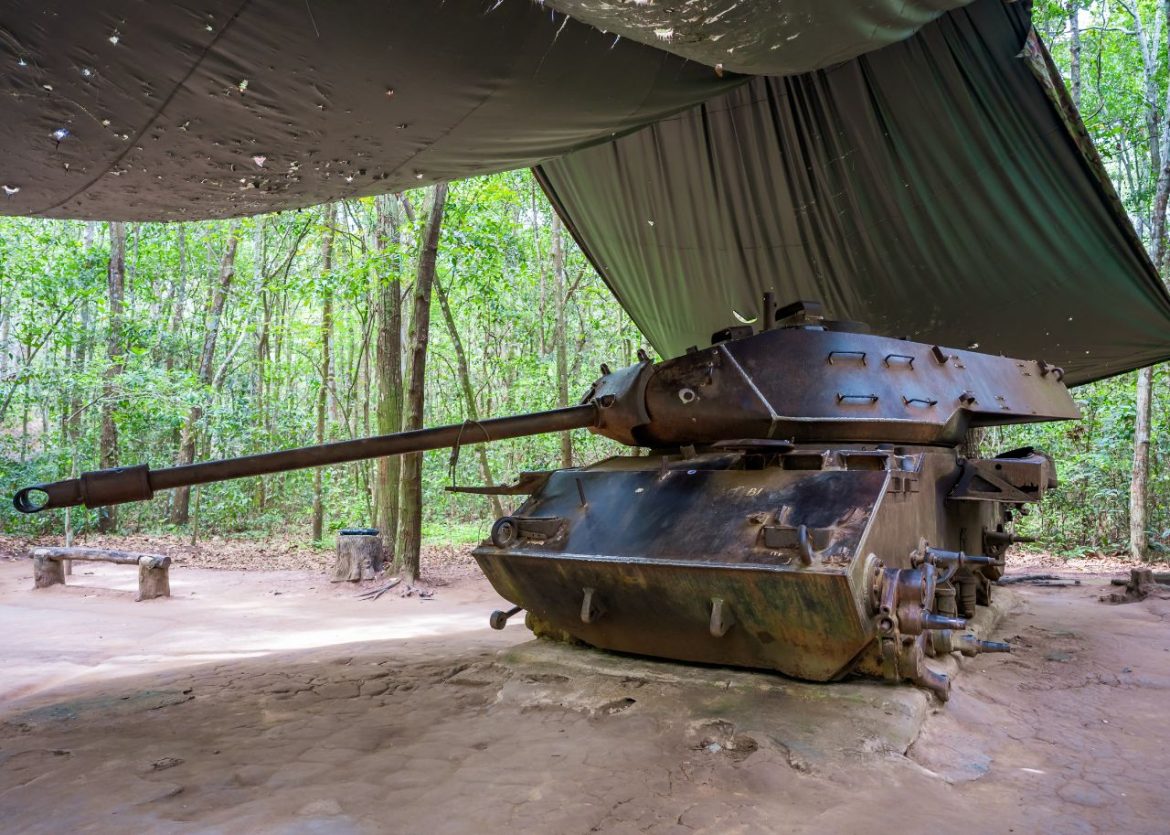
Experience the vast underground tunnel system with our Cu Chi Tunnels and Ho Chi Minh City Full-Day Group Tour. Located in the Cu Chi district of Ho Chi Minh City, Vietnam, the Cu Chi Tunnels form a massive network of connecting tunnels that stretch over 200 km.
This intricate system includes clinics, storage facilities, weapons factories, kitchens, warehouses, offices, conference rooms, hospitals, and command centers. The tunnels played a crucial role in several military campaigns during the Vietnam War and were the Viet Cong’s base of operations during the 1968 Tet Offensive.
Today, the Cu Chi Tunnels are a must-see attraction for tourists. To delve deeper into Vietnam’s history, join our Cu Chi Tunnels and Ho Chi Minh city group tour.
I. Detailed Program
Group Size: 4 – 12 people
Pick Up: 07:30 – 08:00 (exact time depends on the customer's hotel/accommodation location)
Return: 19:00
Route: Ho Chi Minh City – Cu Chi District – Ho Chi Minh City
Itinerary:
Begin your morning with a visit to Independence Palace, also known as the Reunification Palace, which was built on the site of the former Norodom Palace. Designed by architect Ngo Viet Thu, Independence Palace is a renowned landmark of Ho Chi Minh City.
Next, explore the beautiful French Colonial structures such as the Notre Dame Cathedral and the historic Central Post Office. Continue to the War Remnants Museum, which features extensive displays on both the Indochina wars.
Enjoy lunch at a local restaurant.
Depart for the Cu Chi Tunnels, a bus ride of approximately one and a half hours. Upon arrival, watch a short introductory video about the tunnel construction and survival during wartime.
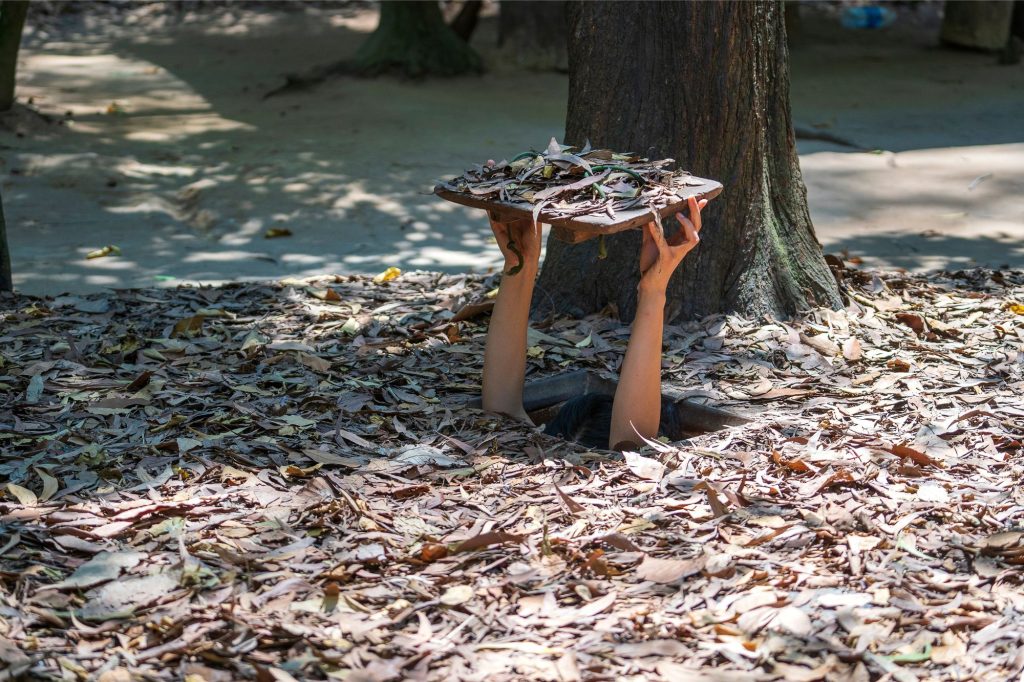
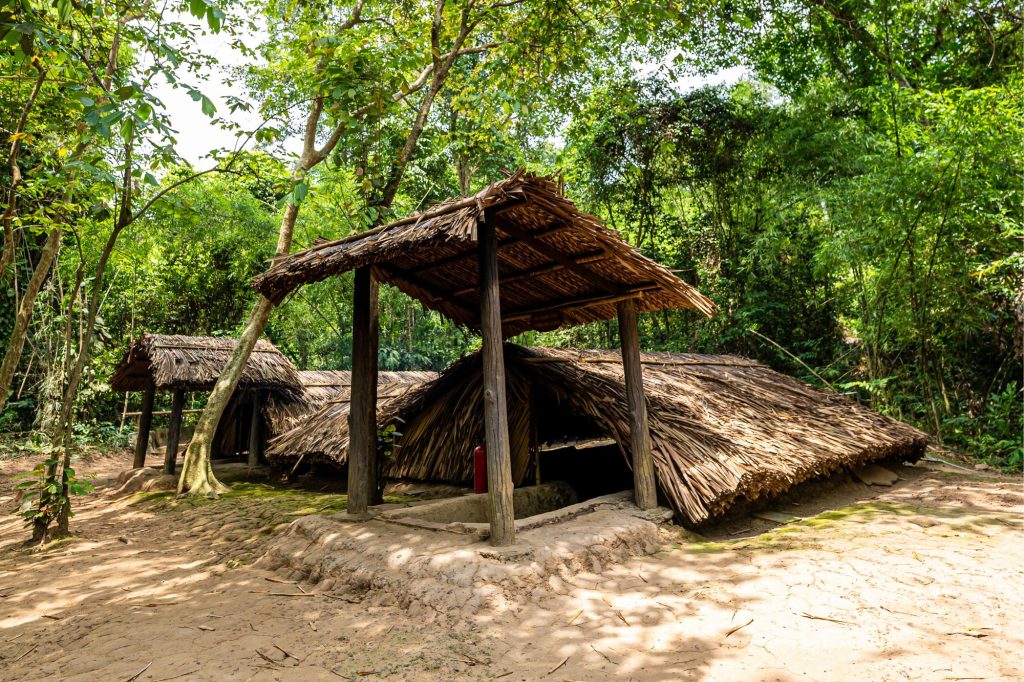
Then, explore the tunnel systems, which include living areas, kitchens, bedrooms, storage, weapons factories, field hospitals, and command centers. Discover the hidden trap doors and dangerous traps used for security during the war. Enjoy special tea and cassava (guerrilla food during the war).
Take a break to relax or try shooting a real gun. Return to Saigon, ending the trip.
Please Note:
The Notre Dame Cathedral is under restoration, so visits are limited to the exterior.
Drop-off time is subject to traffic and weather conditions; the finish time may be later than expected.
Inclusions:
+ A/C van pick-up and drop-off (centrally located hotels in District 1, HCMC)
+ Transfer and sightseeing as per the program
+ English-speaking tour guide
+ Entrance fees
+ Bottled water
+ Lunch
Exclusions:
+ Travel insurance
+ Beverages
+ Tips and personal expenses (shooting gun, telephone calls, etc.)
+ Services not mentioned in the inclusions
+ Tax
Notes:
Pick-up and transfer are available only for centrally located hotels/accommodations in District 1, Ho Chi Minh City.
We are not responsible for lateness.
Infant rates apply if they do not occupy a seat and are included in the tour inclusions. Please advise the supplier if you have infants at the time of booking.
II. Premier highlight destinations
1. Independence Palace: Symbol of Vietnam’s Independence and Reunification
The site of today’s Independence Palace was initially a French colonial administrative building, constructed in the late 19th century during French colonial rule in Vietnam. Originally known as Norodom Palace, it was named after the Cambodian King Norodom.
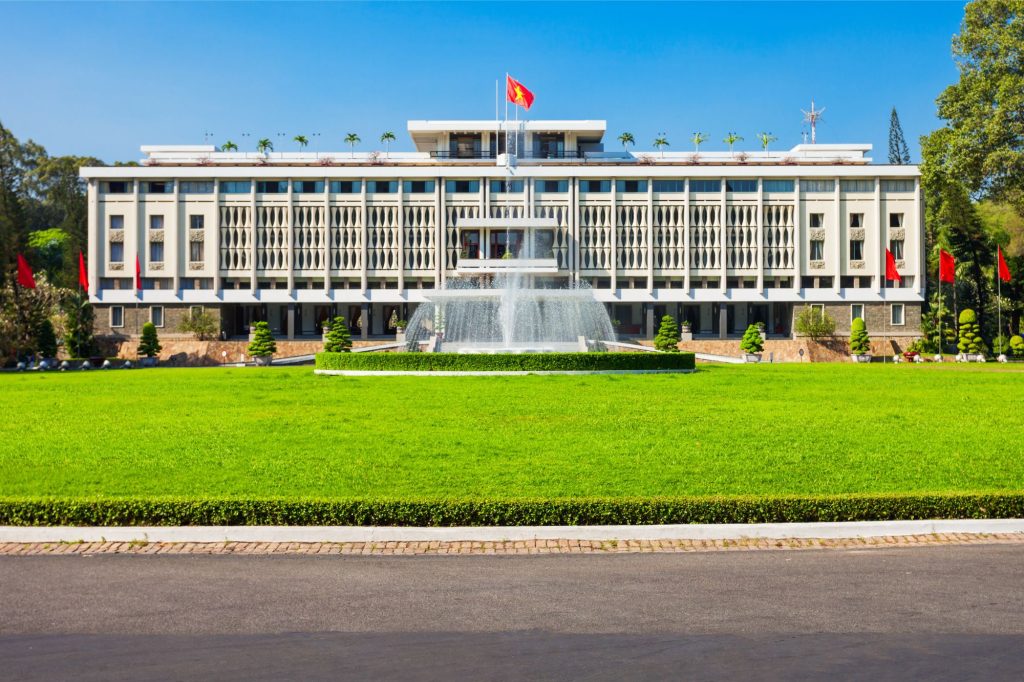
On April 30, 1975, the capture of Saigon by North Vietnamese forces marked the conclusion of the Vietnam War. A North Vietnamese army tank famously broke through the gates of Independence Palace, symbolizing the reunification of North and South Vietnam. The palace was subsequently renamed Reunification Palace.
Following the reunification, the building continued to function as a government and presidential office until 1976, when the capital of South Vietnam was officially relocated to Hanoi, and the government's operations were moved there. Today, the palace is preserved as a museum, accessible to the public, and stands as a major tourist attraction in Ho Chi Minh City.
2. Notre Dame Cathedral
Saigon Notre Dame Cathedral (French: Cathédrale Notre-Dame de Saïgon) is located in the heart of downtown Ho Chi Minh City.
Explore the Notre Dame Cathedral with Ho Chi Minh City Group Tours and discover one of Ho Chi Minh City’s most iconic landmarks. This cathedral, showcasing classic French architecture, stands prominently in the lively and dynamic environment of Saigon.
Explore the Interior of Saigon Notre-Dame Cathedral:
When you visit Notre Dame Cathedral, don't just stop at the exterior; step inside to discover its breathtaking beauty. Every corner of the interior features unique and intricate architectural styles, highlighted by European-style stained glass windows.
Walking through the cathedral offers a deeper appreciation of its sacredness and unveils its hidden secrets. Alternatively, find tranquility inside and offer prayers for peace and blessings upon yourself and your loved ones. Behind its doors lies an elegant and serene Saigon, resonating with a profound medieval atmosphere waiting to be explored.
Capture the Panoramic View of Notre Dame Cathedral:
The panoramic view from Notre Dame Cathedral is truly spectacular—under a clear sky with wispy clouds and touches of red, it exudes both majesty and nostalgia. Just raise your camera and capture stunning photographs.
Indulge in Cafe Bệt:
Don't miss out on experiencing cafe bệt—a unique cultural tradition where young Vietnamese gather to chat while sitting on the ground. Enjoy a cup of authentic Saigon coffee amidst the backdrop of the cathedral, creating a relaxing and unforgettable experience.
Saigon's street food is renowned for its unparalleled flavors and delicious offerings, leaving a lasting impression on every diner.
Feed the Pigeons:
Engage in a delightful experience of feeding the friendly pigeons around the cathedral. These chubby and welcoming birds are eager to interact with you, often hopping onto your hands.
Remember to bring some seeds or leftover bread to make friends with these adorable creatures during your visit.

3. Explore the War Remnants Museum:
Located at 28 Vo Van Tan Street, Ward 6, District 3, Ho Chi Minh City, the War Remnants Museum offers a compelling journey through its exhibitions. It showcases, collects, preserves, and displays documents, images, and artifacts that vividly depict the profound impact of the Vietnam War.
There are priority policies in place: children under 6 years old, disabled individuals, and those from low-income households are exempt from the entrance fee.
A visit to the War Remnants Museum offers a poignant reflection on the spirit of struggle for national independence, freedom, and the enduring value of peace and international friendship. It serves as a profound destination, immersing visitors in the hardships faced by previous generations during wartime.
The War Remnants Museum boasts a collection of over 20,000 documents, artifacts, films, and more than 1,500 items, regularly showcased across eight thematic sections. In its over 50 years of operation, the museum has welcomed over 15 million visitors, both domestic and international.
It has been recognized with the Third-class Labor Order in 1995 and the Second-class Labor Order in 2001 by the nation.
Unveiling the Exhibition Themes at the War Remnants Museum
Spanning three floors, the museum features eight specialized exhibition zones, each floor highlighting different themes and images. The exhibits are not organized chronologically but rather thematically, covering various community-related issues. Join our Cu Chi Tunnels and Ho Chi Minh city Group Tours to delve into the diverse exhibitions offered by the War Remnants Museum.
Exhibition: “The World Supports Vietnam in Its Resistance War Against the U.S.”
The ground floor of the museum showcases the exhibition titled “The World Supports Vietnam in Its Resistance War Against the U.S.” This section presents 100 photos and 145 types of materials documenting global demonstrations, protests, conferences, and seminars opposing the U.S. invasion and supporting Vietnam's defense of national sovereignty.
It encapsulates the historical period from 1954 to 1975.
Exhibitions: “Crimes of Aggression” and “Agent Orange Consequences”
On the first floor of the museum, you'll find two impactful exhibitions. “Crimes of Aggression” features 22 documents, 243 artifacts, and 125 poignant photos depicting the atrocities endured during the resistance against the United States and the enduring pain experienced by our people.
Meanwhile, “Agent Orange Consequences” includes 100 photos, 10 documents, and 20 artifacts. This exhibition vividly illustrates the devastating effects of Agent Orange, providing a clear understanding of the profound impact it had on our people and country.
Exhibitions on the Second Floor
The second floor of the War Remnants Museum presents several compelling exhibitions. “Historical Truths” delves into colonial atrocities with 66 photos, 20 documents, and 153 artifacts, reflecting on the impacts of French and American imperialism.
Adjacent to this is “Requiem,” featuring 275 poignant images captured by journalists who lost their lives during the Indochina War. Also on display is “Vietnam War and Peace,” showcasing 123 photographs by Japanese photographer Ishikawa Bunyo, and “Agent Orange during the Vietnam War,” featuring 42 powerful images by Japanese photographer Goro Nakamura.
These exhibitions highlight the sacrifices made in the pursuit of peace and provide profound insights into the lives of our people during this turbulent period.
4. Discover the Cu Chi Tunnels
Embark on an exploration of the Cu Chi Tunnels, a standout destination for travelers seeking unique experiences. A highlight of your visit is the opportunity to crawl through these historic tunnels, offering a firsthand perspective on the hardships endured by soldiers.
It's a chance to appreciate the courage and resilience of our officers and people. However, for those uncomfortable with confined spaces, crawling through the tunnels may pose a challenge.
Experience Local Cuisine and Military Reenactments
At the tunnel entrance, you can sample traditional foods enjoyed by soldiers and locals, such as sweet potatoes and cassava with sesame salt. Nearby, in a small basement, you'll find reenactment areas of the military liberation zone.
Set with a large projection screen and simple seating, visitors can view invaluable war films depicting daily life and combat scenes of our army and people. Some scenes are authentic documentaries, while others are carefully recreated reenactments.
In addition to watching documentary films, Cu Chi Tunnels also houses a collection of valuable historical artifacts, including weapons used by soldiers in the resistance against the French, tanks, fighter planes, and more. These artifacts are meticulously preserved for visitors to view, though touching them is discouraged to prevent damage.
Experience Shooting Activities
The shooting range at Cu Chi Tunnels offers an exhilarating experience that brings friends closer together. Choose between military-style sports shooting and paintball for an unforgettable thrill.
Discover Unique Souvenirs
In addition to its fascinating attractions, the Cu Chi Tunnels Historical Site boasts souvenir stalls offering over 1300 diverse items. Here, you can find unique keepsakes for yourself or thoughtful gifts for loved ones.
Among the standout items are model airplanes, tanks, and lighters crafted from shell casings, each item uniquely made from recycled bullets used at the shooting range, contributing to environmental conservation efforts. You can also find scarves and traditional southern Vietnamese garments crafted on-site, available for purchase as memorable souvenirs.
When you're in Ho Chi Minh City and eager to explore the lesser-known Chu Chi Tunnels, consider booking our full-day Cu Chi Tunnels and Ho Chi Minh city tour for an unforgettable experience.

